
Abstract
Have you ever thought about presenting at a professional convention but not sure where to start? This interactive information session and panel is designed for practicing clinicians and graduate/doctoral students who are interested in presenting their ideas at professional conventions but have minimal experience submitting a conference proposal. This interactive session will break the process into manageable steps and provide practical strategies for writing your first proposal. The presenters will focus on the guidelines for submitting to present at the annual PSHA convention, as well as the annual ASHA convention while providing strategies that can be applied to other conference formats.
Participants will learn how to recognize presentation-worthy ideas within their clinical, teaching, research, or professional experiences. The presenters will examine examples of successful presentation topics from everyday clinical experiences, innovative approaches, student projects, quality-improvement efforts, case studies, and lessons learned. The presenters will discuss common presentation formats (e.g., poster, oral session, technical session) and how to determine which format is the best fit for a particular topic or audience. The presenters will then walk participants through the components of a typical “call for papers” including identifying submission requirements, developing engaging titles, writing a compelling yet concise abstract, and creating learning objectives.
Participants will be provided with examples of successful presentation submissions and the presenters will discuss the typical structure for both professional development and research submissions. The session will also address common reasons proposals may be rejected and provide practical suggestions for strengthening proposals before they are submitted. Participants will learn how to write for reviewers, demonstrate relevance to the profession, avoid overly broad proposals, and clearly communicate what attendees will gain from the session.
By the end of the session, participants will have a better understanding of the conference submission process and leave with strategies to transform a broad idea into a focused, conference-ready proposal. Participants will have opportunities to engage in ongoing mentorship with experienced presenters as they develop their proposal.
Learner Outcomes: At the end of this presentation, participants will be able to:
1, Identify potential presentation topics and determine their relevance to a professional conference audience.
2. Develop the key components of a conference proposal, including an engaging title, abstract, and learning outcomes.
3. Apply strategies for strengthening a conference submission, including following expected submission formatting and writing for proposal reviewers.
Time Ordered Agenda
5 minutes: Introductions, disclosures, importance for clinicians
10 minutes: Recognizing clinically relevant presentation topics
10 minutes: Understanding conference submission guidelines
10 minutes: Structure of submission proposals
10 minutes: Discussion of successful submission examples
15 minutes: Questions for panelists & matching clinicians with mentors
Presenter Bio:
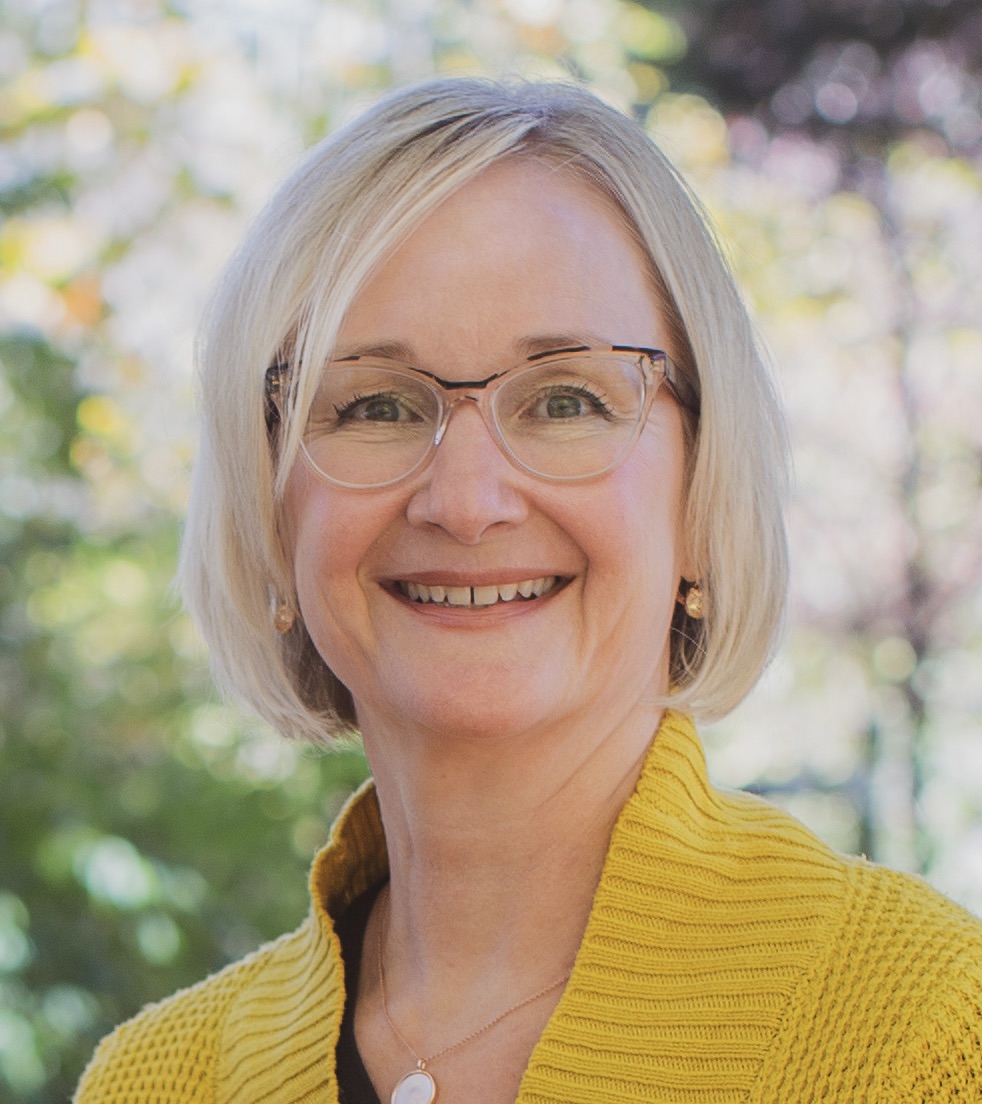
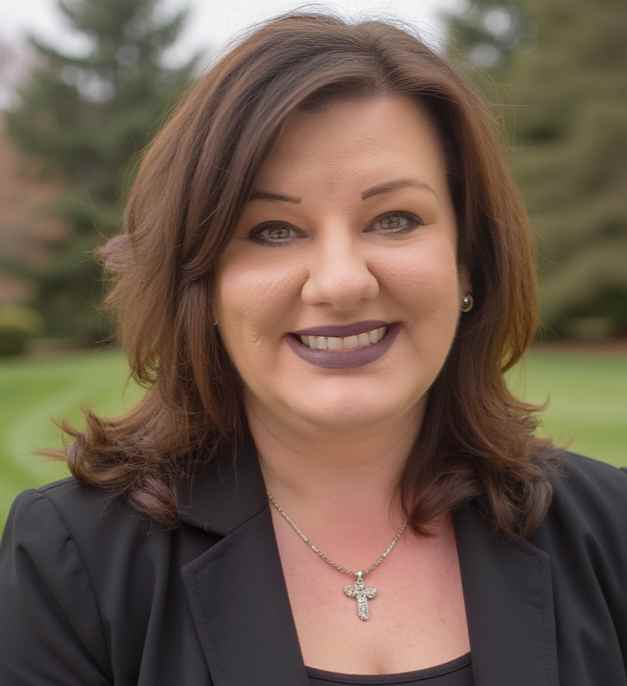
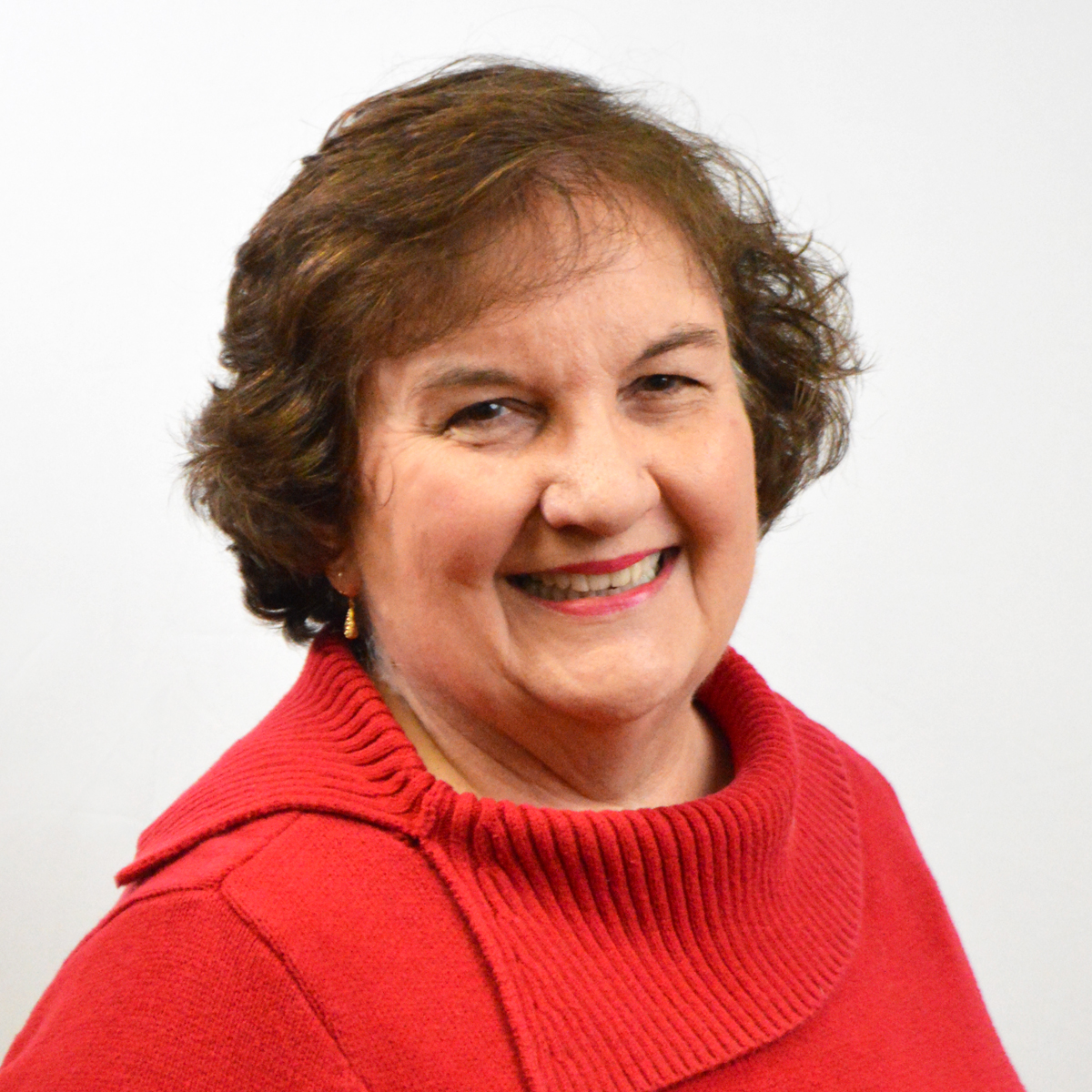
Akila T. Rajappa, PhD, CCC-SLP, BCS-S, is an Associate Professor and Graduate Program Director in the Department of Speech-Language-Hearing Sciences at East Stroudsburg University of Pennsylvania. Her research focuses on dysphagia health literacy and advancing the rehabilitation of dysphagia and cough disorders, with an emphasis on EBP interventions for individuals with stroke, aging, and neurodegenerative diseases. She teaches undergraduate and graduate courses in swallowing, motor speech, voice, medical SLP, and the neurological bases of communication disorders. She is the President-Elect of the Pennsylvania Speech-Language-Hearing Association (PSHA).
Speaker Financial Disclosures: Akila is a salaried professor at East Stroudsburg University.
Speaker Nonfinancial Disclosures: Akila is the PSHA President-Elect, member of the Healthcare/Telehealth Committee and experienced presenter.
Presenter Bio:
Dana Bitetti, Ph.D., CCC-SLP is an associate professor and graduate program director in the Department of Communication Sciences and Disorders at La Salle University. Her research interests include the language and literacy development of preschool and school-age dual-language learners (DLLs), with a focus on narrative development. She teaches undergraduate and graduate coursework in child language development and disorders, diagnostics, and linguistics. She is a past-president of the Pennsylvania Speech-Language-Hearing Association
Speaker Financial Disclosures: Dana is a salaried professor at La Salle University.
Speaker Nonfinancial Disclosures: Dana is the current Past President of PSHA and Higher Education Committee member. Dana is also an experienced presenter.
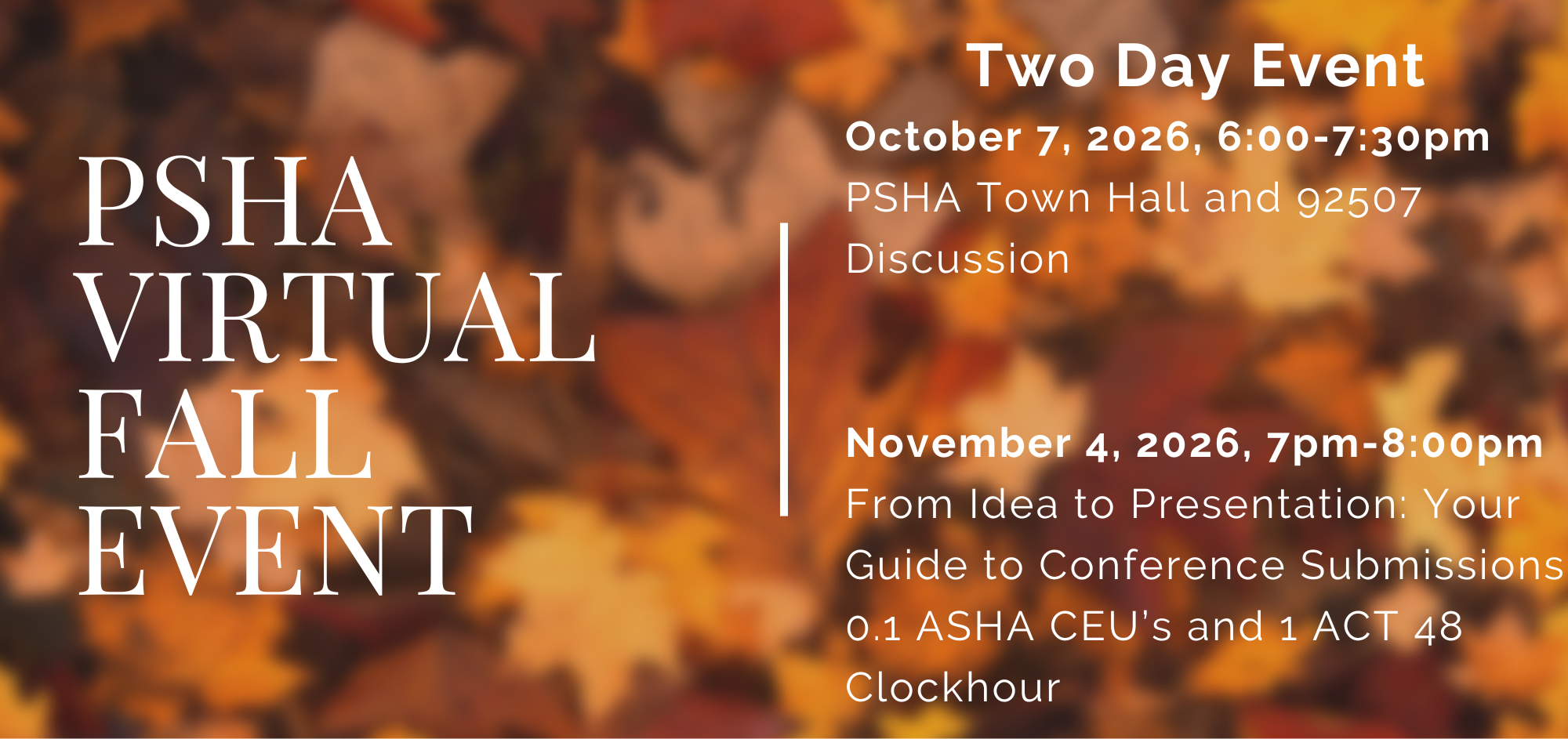
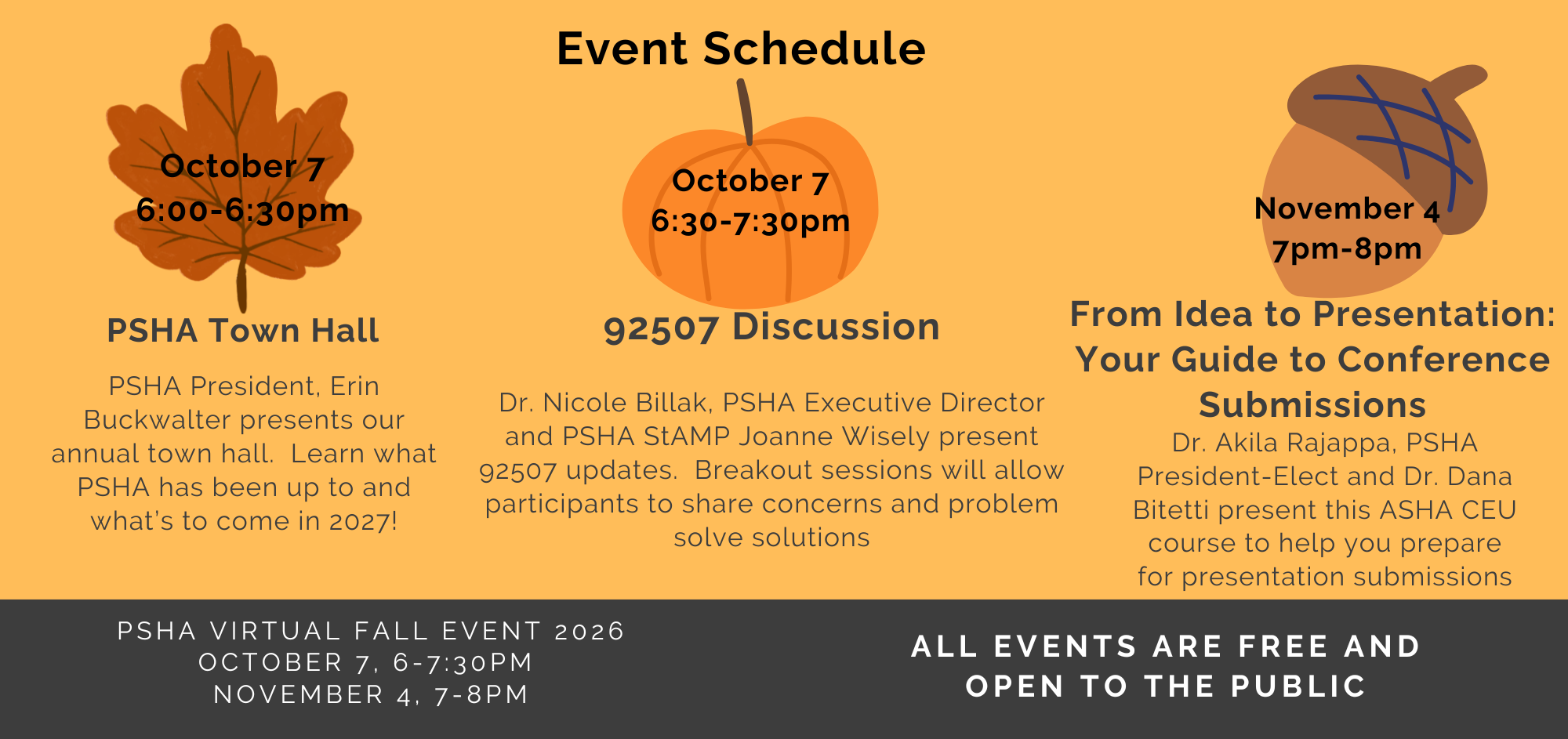
The November 4th event is offered for .1 ASHA CEU's and 1 ACT 48 PDH
This event is free and offered to both members and nonmembers
Satisfactory Completion Requirements :
Certificates of completion will be awarded after active attendance at the Thematic Event, submission of a completed evaluation, and submission of a completed assessment of learning. Partial credit is not awarded for these continuing education events. A link to the online assessment and evaluation will be provided. In addition, some presenters will assess understanding during the event using polls via Zoom.
Act 48 Clock Hours:
PSHA is an approved provider by the Pennsylvania Department of Education to sponsor Continuing Education programs as required by ACT 48. The number of clock hours is listed on the flyer for each event. Individuals attending the program must arrive on time and stay the duration of the program in order to receive Act 48 Professional Education hours.
Cancellation/Refund Policy
Cancellations accepted until the beginning of the event. This event is offered for free and therefore refunds are not accepted.
Professional Conduct and Discrimination Policy
All participants are expected to conduct themselves in a professional manner. Please review PSHA’s Professional Conduct and DEI Commitment inside the CEU Policy link shared here.
Complaint Policy
Questions and concerns should be emailed to [email protected]. Complaints arising during or after an event, can be filed using the PSHA CE Complaints and Appeals Form.
Accessibility Policy
The Association is committed to providing an outstanding experience for all participants at its events. We strive for full access to the activities of these events and accommodations relating to mobility, hearing, vision, or other areas may be provided. We ask that requests for reasonable accommodations at the event be made as early as possible, and well in advance of the event, so we may explore options to best meet the individual’s need or provide a resource/suggestion to help meet the individual's requirement. Potential Barriers: Although we strive to make this event as accessible as possible to all members, some barriers may remain due to financial, logistical, facility, vendor or volunteer/staffing limitations. If the association is unable to provide an accommodation due to one or more of the reasons stated above and the individual feels attendance is no longer an option, the Association will provide a full refund of the event registration fee.